


Blog
Feb. 2026
Beyond the Treatment: How to Master Post-Laser Care for Skin Longevity
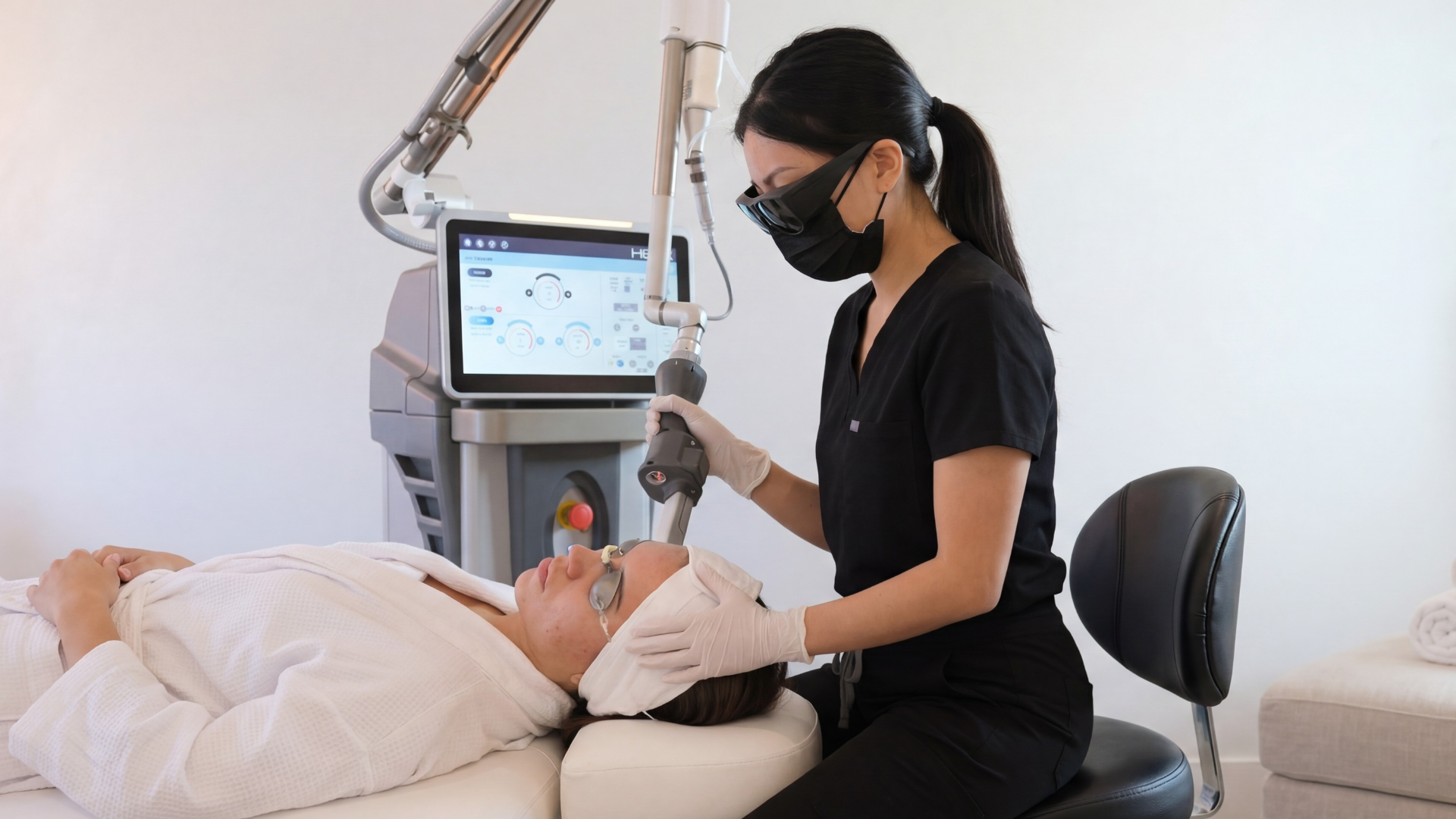
You just invested time, money, and commitment into a powerful laser or light-based treatment to improve your skin’s texture, tone, or firmness. While the laser does the work of initiating change beneath the surface, your Post-Laser Skin Care Routine is actually responsible for up to 50% of your final, beautiful result. If you neglect the crucial healing period, you risk undoing the benefits and even creating new problems like hyperpigmentation.
Think of laser treatment as creating a controlled injury that triggers regeneration; your skin is now fragile and highly responsive, like freshly turned garden soil. The key to successful healing is supporting the skin barrier, reducing inflammation, and diligently protecting the vulnerable, new skin cells emerging. A thoughtful post-care plan ensures your skin recovers quickly and allows the deep collagen production stimulated by the laser to fully mature.
The Immediate Aftermath: Calming the Controlled Injury
The first 24 to 72 hours following a laser treatment are the most critical for managing inflammation and preventing complications. Depending on the depth of your laser—whether it was a gentle light treatment or a fractional resurfacing procedure like a CO2 laser—you will experience some degree of redness, swelling, and heat. Your immediate goal is comfort and cooling.
Resist the urge to panic if your skin feels hot, looks red, or is slightly puffy; this is simply your body’s immune response to the energy delivered by the laser. Your job is to soothe this response with cooling and simple, protective products. You must strictly avoid anything that could further irritate or contaminate the area during this highly sensitive window.
Phase 1: The Focus on Cooling and Protecting
- Keep it Cool: Applying clean, cold compresses or thermal water sprays helps reduce the heat and swelling immediately following the procedure. Cooling the skin minimizes the risk of post-inflammatory hyperpigmentation.
- Avoid Harsh Water: Use only the gentle cleanser recommended by your specialist, avoiding hot water, scrubbing, or vigorous rinsing which could aggravate the freshly treated skin.
- Strictly Simple Hydration: Use only the bland, restorative ointment or serum provided. Ingredients like plain Vaseline, Aquaphor, or specialized post-laser balms are often recommended to keep the skin moist and shielded.
Essential Components of Your Post-Laser Skin Care Routine
After the initial redness subsides, typically within a few days for light treatments, your routine needs to transition into a repair and regeneration phase. Your goal is to feed your compromised skin barrier the ingredients it needs to rebuild itself and strengthen the new collagen production deep within.
Your routine should be simple—no harsh actives—but targeted, using ingredients known for their healing and barrier-supporting abilities. This careful adherence to a Post-Laser Skin Care Routine is what separates great results from merely good ones.
The Power Trio for Skin Repair
When your skin is recovering from a clinical resurfacing treatment, you need to rely on specific, proven ingredients that aid healing:
- Ceramides: These fatty acids are the “mortar” that holds your skin cells together. Products rich in ceramides rapidly rebuild the compromised skin barrier, reducing sensitivity and preventing moisture loss.
- Niacinamide (Vitamin B3): This versatile ingredient helps reduce overall redness, strengthens the barrier, and calms inflammation without irritating the new skin underneath.
- Hyaluronic Acid: When paired with an occlusive moisturizer, HA attracts and holds water in the skin, keeping the healing tissue optimally hydrated and minimizing the appearance of flaking or tightness.
Non-Negotiable Rules for Skin Longevity After Laser
You can have the best products in the world, but violating two key rules can ruin your results and compromise your skin longevity. These guidelines involve sun exposure and mechanical stress on the healing tissue.
Laser treatments remove the protective outer layer of skin, leaving the new cells underneath highly susceptible to damage. Sun protection and gentle handling are the absolute anchors of a successful recovery. For those interested in deeper textural improvements, the recovery period for intensive resurfacing treatments like Coolpeel CO2 must be treated with even more caution.
The Two Golden Rules of Post-Laser Care
Failure to follow these rules will likely result in complications, including scarring or permanent hyperpigmentation.
- Sun Protection is Mandatory: You must avoid direct sun exposure completely during the initial healing period. Thereafter, you need to apply a high broad-spectrum sunscreen (SPF 30 or higher) every single morning and reapply it religiously. Any UV light can trigger new pigmentation in the vulnerable, regenerating skin.
- No Picking, Peeling, or Scrubbing: Resist the powerful temptation to pick at flaking skin or use physical scrubs. The flaking is a natural part of the resurfacing process. Picking can introduce bacteria, lead to scarring, and pull off skin that is not ready to shed, disrupting the pigment healing underneath.
Advanced Support for Collagen Production
Once the immediate healing period (typically 7–10 days) is over and your skin is intact, you can slowly reintroduce active ingredients that will support the long-term benefits of the laser—the new collagen production. This is the stage where you begin to see the dramatic changes you paid for.
Your laser treatment triggered a repair signal deep in the dermis. Your subsequent product use should be designed to support this long-term collagen production and strengthen the new structural framework of your skin. If you are targeting signs of aging, you might consider treatments focused on deep tissue tightening, such as lifting, firming, and contouring, which work well when your skin has fully recovered from a laser procedure.
- Introduce Peptides: Peptides are messenger molecules that signal the skin to produce more collagen. They are gentle and perfectly safe to introduce after the initial healing period to aid in skin resurfacing and firming.
- Slowly Reintroduce Retinoids: Retinoids (like retinol) are powerful long-term collagen stimulators. You must wait until your skin is completely healed and non-sensitive before using them, starting with a small amount just once or twice a week.
Conclusion: Securing Your Investment
The success of any laser resurfacing treatment is a partnership between the procedure itself and your dedication to the Post-Laser Skin Care Routine. By focusing on calm, gentle repair, relentless sun protection, and eventually, the reintroduction of collagen-boosting ingredients, you secure the investment you made in your skin longevity. For individuals concerned about visible residual redness or inflammation after the healing phase, we offer specialized treatments to target rosacea redness that can further perfect your complexion. The days and weeks following your treatment are when your skin is working its hardest to give you the beautiful, lasting results you desire.
We understand that post-procedure care is just as important as the laser treatment itself. We at 30 Hazelton Med Spa Toronto provide meticulously crafted Post-Laser Skin Care Routine instructions and medical-grade products to ensure your skin heals beautifully and fully capitalizes on the deep collagen production stimulated by our advanced laser treatments.
What is the one product in your Post-Laser Skin Care Routine that you always make sure you have on hand?
Book a Consultation
Every transformation begins with understanding.
Discover your best skin through a bespoke consultation.
Book Consultation | In Person · Virtual · Phone